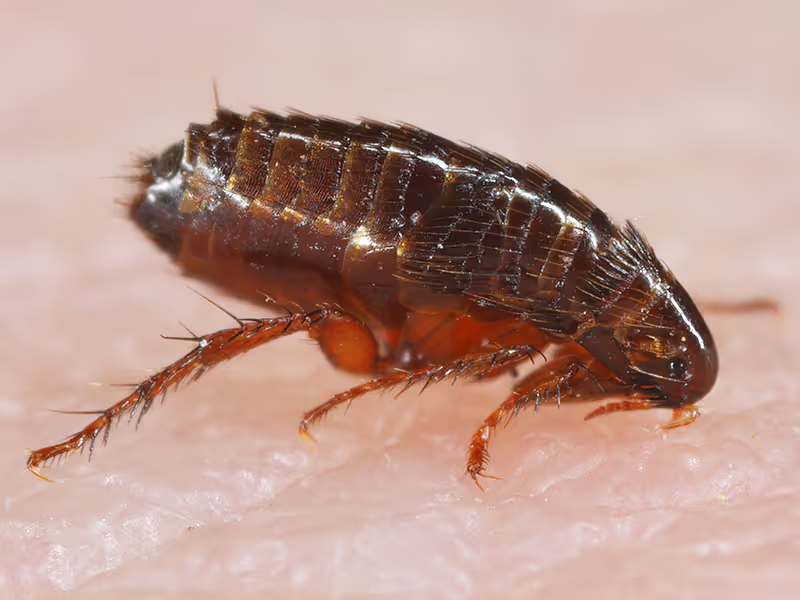
Fleas are a common issue for homeowners across Northeast Ohio, especially in homes with pets, shaded yards, or nearby wildlife activity. While they’re small and easy to miss at first, flea problems often begin outdoors before spreading inside.
Yards with shade, moisture, and regular animal traffic can support flea populations. From there, fleas can easily be brought indoors on pets or clothing, where they can quickly spread to carpets, furniture, and bedding.
From itchy bites to ongoing pet discomfort, flea infestations can disrupt both outdoor spaces and indoor life if left unchecked.
This guide helps homeowners understand flea activity, why fleas are common in this region, and how professional flea control helps eliminate infestations more effectively.

Outdoor flea activity in Northeast Ohio typically begins increasing in April, becomes very active during the warm and humid summer months, and gradually slows through October as temperatures cool. Fleas are most active outdoors from June through August, especially in shaded yards, landscaped areas, and places where pets or wildlife spend time.
While outdoor flea activity largely stops during the winter, fleas can remain active indoors year-round once they’re introduced into a heated home.
Fleas found around homes in Northeast Ohio share several consistent traits.
Fleas are often noticed through bites or pet scratching before they’re actually seen.
Fleas are parasitic insects that feed on the blood of animals and occasionally humans. They are most commonly introduced into homes by pets, but they can also be brought in by rodents and wildlife, such as raccoons, squirrels, stray cats, or other animals moving through the yard.
Flea problems typically start outside. Adult fleas lay eggs in shaded, protected areas, and those fleas attach to pets or people moving through the yard. Once inside, eggs fall into carpets, furniture, and flooring, where they continue developing.
In Northeast Ohio, fleas thrive during the warm, humid months of late spring and summer. They often develop outdoors in shaded areas before being brought inside on pets or clothing. Once indoors, fleas can spread quickly through carpets, furniture, and bedding, and may remain active even after outdoor temperatures cool.
Warm, humid summers across Northeast Ohio create ideal conditions for flea activity, especially in shaded yards with mulch, leaf litter, dense landscaping, and regular wildlife traffic. These protected outdoor environments help flea populations survive and expand during the warmer months.
Active pet populations throughout the Cleveland and Akron areas also contribute to flea activity, particularly during the summer when pets spend more time outdoors.
Fleas spend most of their life cycle in the environment, not on pets.
Common outdoor areas:
Common indoor areas:
Because immature fleas are hidden in these areas, infestations can continue even when adult fleas aren’t always visible.
Fleas can affect both the comfort and the health of homeowners and their pets.
Concerns include:
Because fleas reproduce quickly, small problems can escalate into large infestations over time.
Flea infestations are often noticed through their effects rather than direct sightings.
Common signs include:
Persistent activity usually indicates fleas are established in both the yard and home.
Homeowners can reduce flea activity by addressing both indoor and outdoor conditions.
Because fleas often originate outdoors, yard conditions play a major role in prevention.
Flea control is most effective when both the yard and home are treated together. Professional flea treatment helps target these pests at every stage of the life cycle while reducing activity in the shaded outdoor areas where fleas develop and hide.
It also helps address indoor hiding spots where infestations continue in carpets, furniture, and pet bedding. Many DIY flea treatments only target adult fleas, leaving behind eggs and immature stages that continue the infestation.
This combined approach typically provides more consistent results, especially when flea problems persist despite cleaning or pet treatments.
At Epcon Lane, we help Northeast Ohio homeowners reduce flea activity both outdoors and inside the home with seasonal treatments and year-round pest protection options.
Our Yard Program includes seasonal mosquito, flea, and tick treatments from April through October to help control outdoor flea activity throughout the warmer months. For homes dealing with indoor flea infestations, our Peace of Mind Premium Plan combines quarterly pest control, termite monitoring, seasonal mosquito, flea, and tick control, and interior flea treatments when needed.
Whether fleas are staying active in the yard, spreading indoors, or continuing to return, our local pest control team can help you find the right solution for lasting relief.
Fleas can survive for weeks or even months indoors under the right conditions. While adult fleas may only live a short time without a host, eggs and immature stages can remain hidden in carpets, furniture, and pet bedding until conditions allow them to continue developing.
Fleas bite because they feed on blood to survive and reproduce. Pets are usually their primary target, but fleas will also bite people—especially around the ankles and lower legs when infestations are active indoors or in the yard.
Yes. Fleas can be introduced by wildlife like raccoons, squirrels, stray cats, and other animals moving through the yard. In some cases, mice and rats may also carry fleas indoors.
Yes. Once fleas get indoors, they can spread throughout the home by moving through carpets, furniture, pet bedding, and other soft surfaces. Pets and foot traffic can also help carry fleas into additional rooms.

Today was the first time Epcon Lane came out to service our home and John was awesome! He was very friendly, professional and personable. We're very happy with our decision to go with this company and can't wait for our future services!
Allie W.
Akron, OH

Matt was fantastic. Explained all options and was very thorough and friendly. Really like that they guarantee their work and will come back between spraying for any issues. These guys are top notch!
Jason L.
Cleveland, OH

I have always been pleased with the service I have received from Epcon Lane . Very effective and environmentally and pet conscious. Kermin truly addressed my needs yesterday . Seeing the new nest of yellow jackets and the carpenter ants starting to lay eggs . Gave the proper treatment and sent a very detailed message explaining everything. And wished me a good rest of my day. I am very appreciative!
Margaret G.
Akron, OH






Helpful Tips & Info