What Do Millipedes Look Like?
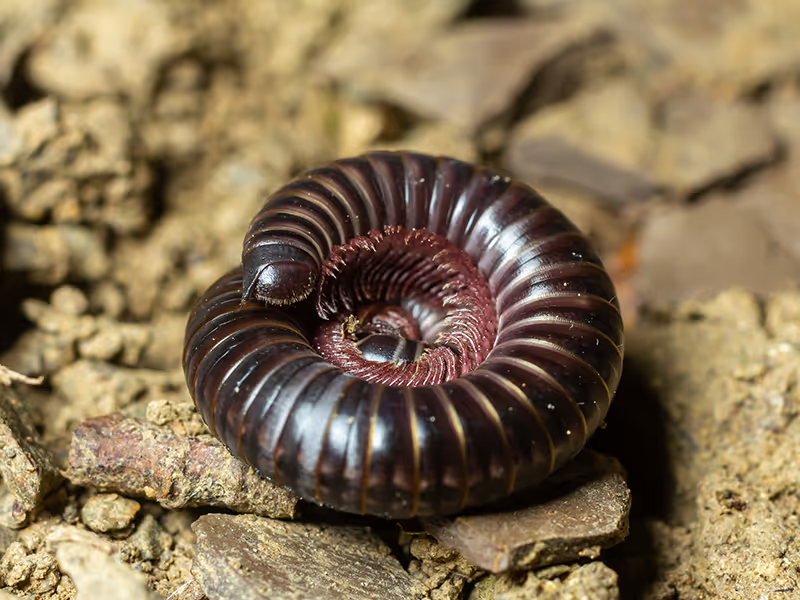
Millipedes are small arthropods with many legs and short antennae. Contrary to popular misconception, they do not have 1,000 legs. They’re different from their centipede cousins in that they walk slower, scavenge for food instead of hunting it, and don’t bite.
- Typically 1 to 1.5 inches long
- They curl into a tight coil when they feel threatened and remain motionless until the danger has passed
When Are Millipedes Active?
Nighttime is their active time. When they’re not out scavenging for a delicious decaying organic dinner, they’re most likely to be found hiding under objects in a dark, damp environment.
Can Millipedes Bite?
Actually, these little guys are pretty harmless. They don’t bite, sting, chew clothes or furniture, or ruin food. Their preferred dish is dead leaves or other decaying organic matter.
Where Do Millipedes Live?
If they’re in your home, it’s probably because their outside environment is too hot or wet. Although millipedes do live in damp areas, excessive rainfall or overwatering your garden beds will drive them to seek drier conditions—namely, your basement. And to escape the summer’s heat, nothing says “chill and relax” like those dark spots behind your basement boxes. They’re accessing your home through doors, ground-level windows, and foundational cracks.
How Can I Prevent a Millipede Infestation?
If you have a minor to moderate millipede invasion, basic preventive care may be enough to solve your problem:
- Sweep existing millipedes back outside
- Repair cracks in your foundation
- Check your doors and windows to make sure the sealer doesn’t need replacing
- Keep piles of dead leaves and other organic matter away from your home
- Ensure shrubs near your house aren’t planted too thickly; too many plants clustered in one area prevent the soil from drying properly and can draw millipedes indoors
Need More Help With Millipede Removal?
Even the best operatives need backup sometimes. If these preventive measures fail, contact Epcon Lane for professional assistance. Together, we can conquer your pest control problems and restore your home to its happy, healthy state.
Much thanks to About.com for information on the differences between centipedes and millipedes, and to Professors Jeffrey Hahn and Mark Ascerno of the University of Minnesota for their entomological insight.