
Why It Seems Like Spiders Show Up All at Once
The common explanation is that spiders move inside in fall solely to escape the cold. That is not the full story.
Many spiders become easier to notice in late summer and early fall because they have reached adult size. Mature males also begin wandering in search of females rather than remaining near a web or sheltered area.
The spiders found in basement corners or garage rafters may be species that live in or around structures for much of the year. Others, including wolf spiders, can wander indoors accidentally through ground-level openings.
When you notice more spiders inside, it helps to consider both how they entered and what insects may be supporting them.
The Spiders Northeast Ohio Homeowners See Most
Grass Spiders and Funnel Weavers
Grass spiders and other funnel weavers create the flat sheets of webbing stretched across lawns, low shrubs, and the branches of yews and junipers.
The web is a dense, crisscrossed sheet that slopes toward a narrow funnel at one end. The spider waits inside the funnel and rushes onto the web when prey lands nearby.
Individual webs can measure more than a foot across, which is why a hedge or section of lawn can look as though it was covered overnight. The spiders are usually tan or brown with darker stripes along the front portion of the body. They become especially noticeable as they mature in late summer and mate into autumn.
Barn Spiders and Other Orb Weavers
If you have walked into a sticky, wheel-shaped web strung across a doorway before sunrise, an orb weaver may have built it.
Barn spiders and related orb weavers often rebuild their webs overnight, sometimes using the same opening night after night. The spider may sit in the center of the web or remain tucked into a nearby retreat with a signal line connected to the hub.
Adult females have rounded abdomens with brown, yellow, or orange markings and become especially noticeable in late summer and fall. They are not aggressive, and the web is usually the main inconvenience.
House Spiders
The loose, irregular webbing in ceiling corners, above basement windows, and behind stored boxes often belongs to a house spider.
These spiders are generally brown or gray and remain close to their webs, retreating into cracks or sheltered spaces when disturbed. Unlike outdoor spiders that occasionally wander inside, house spiders can live and reproduce indoors throughout the year.
They stay where prey collects and usually do not move far from a productive web. Our house spider guide explains their appearance and habits in more detail.
Wolf Spiders
Wolf spiders are the ones that often startle homeowners.
They do not build webs to capture prey. Instead, they hunt on foot. They are fast, heavily built, and sometimes larger than the other spiders found around homes.
Wolf spiders commonly appear along door thresholds, near sliding doors, inside window wells, and on basement or garage floors. Their arrival indoors is usually accidental. A spider hunting in mulch or ground cover outside may slip through a gap near a door, garage, window well, or foundation.
Homeowners who repeatedly find spiders near the same openings can also review our guide to sealing common spider entry points.
Whose Web Is That?
Web shape is often the quickest way to identify a spider you never actually see.
- A flat sheet with a funnel along one side, usually low to the ground or inside a shrub, points to a grass spider or another funnel weaver.
- A neat wheel with spokes, often rebuilt overnight across an opening, belongs to an orb weaver such as a barn spider.
- Loose, irregular webbing in a corner that collects dust is commonly associated with a house spider.
- A spider moving across the floor without a nearby web is likely a hunting species, such as a wolf spider.
This matters because webs can show where flying or crawling insects are gathering around the structure. A hunting spider indoors may also point to a ground-level opening, especially near a door, window well, garage, or foundation gap.
Do Any of These Spiders Bite?
Spiders can bite, but biting is generally defensive behavior rather than something they seek out.
Many reported bites happen when a spider becomes trapped against the skin, such as inside a work glove, a boot left in the garage, or folded clothing stored in the basement.
Bites from common household spiders generally cause limited, localized symptoms, but reactions can vary. Contact a medical professional if symptoms are severe or continue to worsen.
A useful habit during spider season is to shake out gardening gloves, boots, and stored clothing before putting them on, especially when those items have been kept in a garage, basement, or shed.
Why More Spiders Often Point to More Insect Activity
The number of spiders an area can support is closely tied to the amount of available prey.
Where insects gather, spiders follow. Around Northeast Ohio homes, those gathering spots are usually predictable.
Porch lights, garage lights, and illuminated windows draw flying insects at night. Spiders build webs wherever those insects collect.
Dense foundation plantings, especially evergreens such as yews and junipers, can hold humidity and insects close to the house.
Mulch beds, leaf piles, firewood stacks, and stored materials against the foundation shelter crawling insects that hunting spiders follow.
Basements, crawl spaces, window wells, and gaps around older foundations can also provide sheltered areas for insects and the spiders feeding on them.
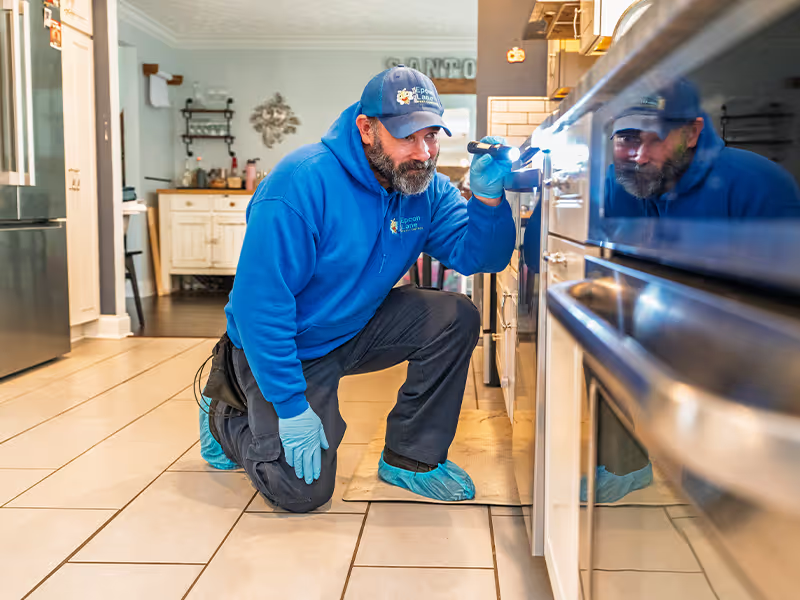
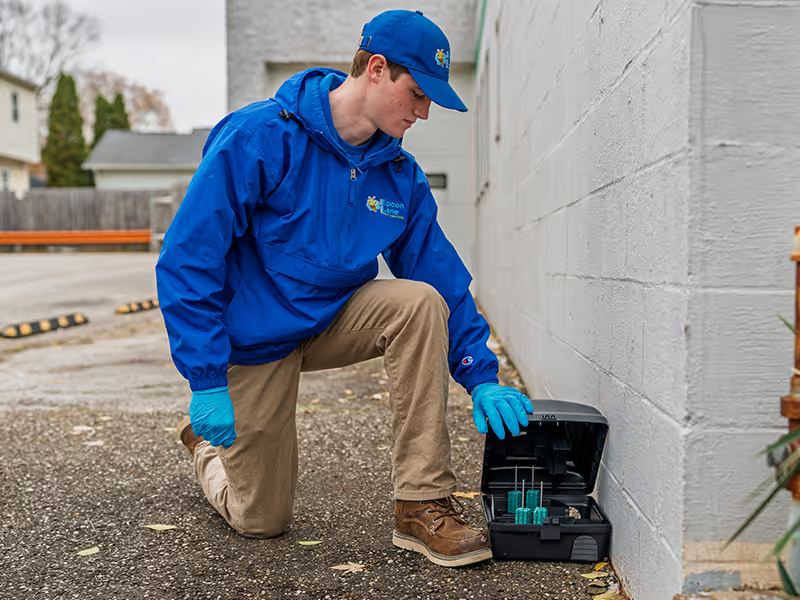
Reducing the insects around a home often reduces the number of spiders the property can support. That is why Epcon Lane’s residential pest control focuses on the broader insect population around homes in Akron, Cleveland, and surrounding Northeast Ohio communities rather than treating every spider sighting as an isolated problem.
Pests such as earwigs and silverfish can thrive in some of the same damp, sheltered areas.
Why Knocking Down Webs Does Not Solve the Whole Problem
Removing webs is worth doing, and repeated removal can make a particular location less successful for web-building spiders.
The reason it often feels temporary is that web removal does not address why that spot attracted a spider in the first place. If a porch light continues drawing insects to the same doorway every night, another spider can eventually build there.
Spraying only the spider you see creates a similar problem. New spiders can move into the same productive areas as long as insects continue gathering there.
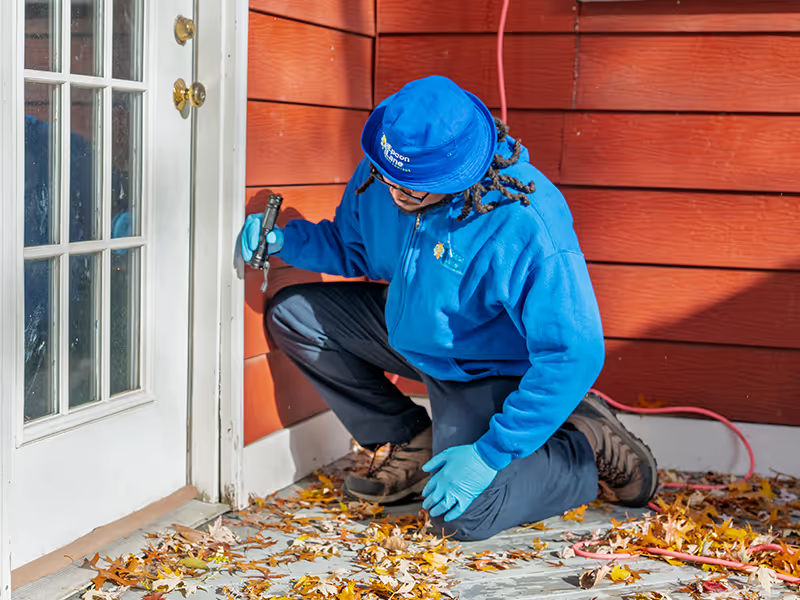
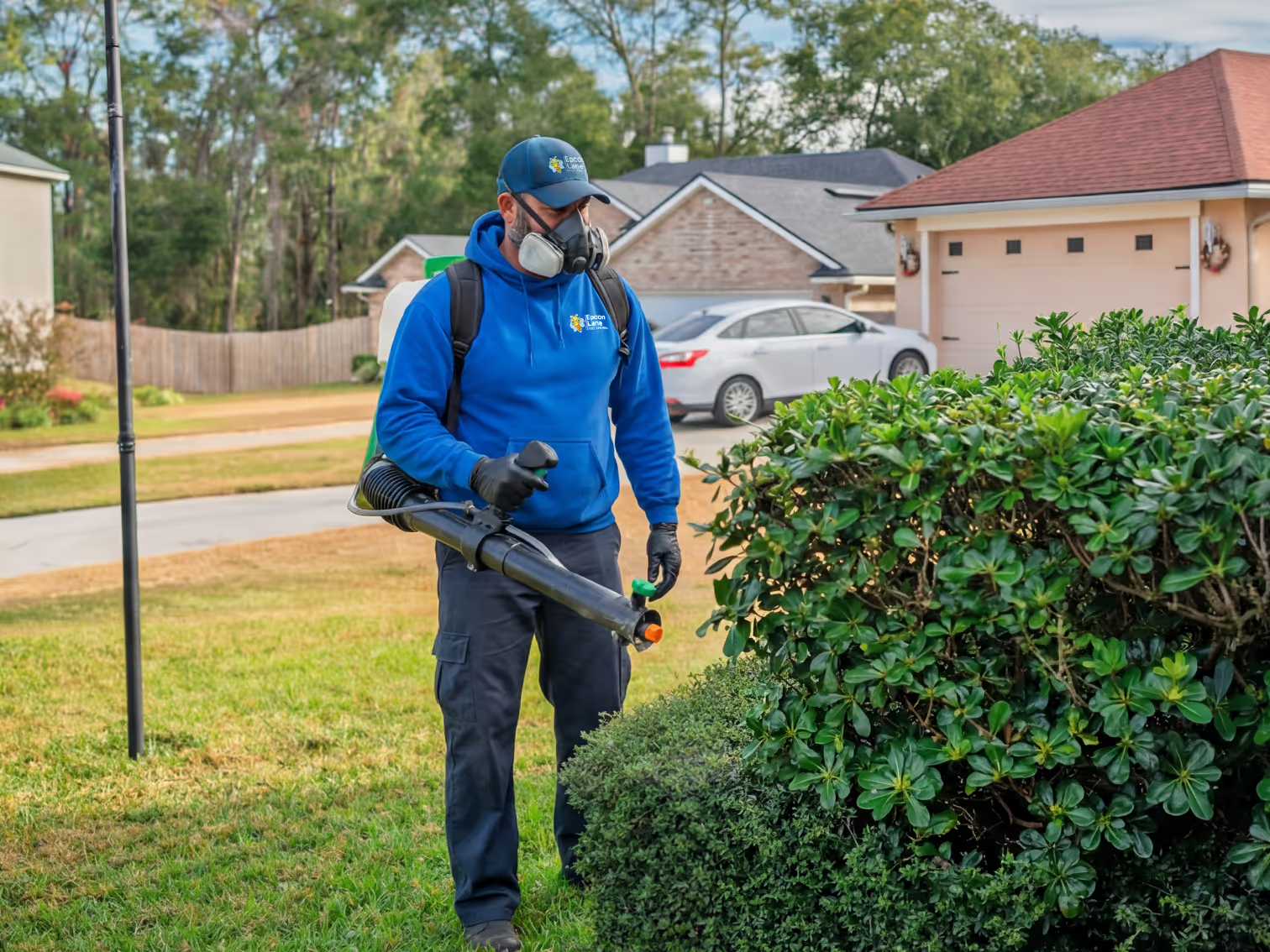
Effective service goes beyond removing the webs you can see. Epcon Lane’s Peace of Mind plans include spider web removal and regular exterior pest treatments to help reduce activity around entryways, eaves, porches, and other areas near the home.
Spider Questions From Northeast Ohio Homeowners
I found a small silk sac tucked in a web. What should I do with it?
That is likely an egg sac. Vacuum up the sac and surrounding webbing, then empty the vacuum contents into a sealed trash bag. Avoid handling the sac directly, especially when you cannot identify the spider that produced it.
Do spiders in the basement mean I have a moisture problem?
Not necessarily, but concentrated spider activity can be a reason to inspect the area more closely. Check nearby drains, windows, walls, and stored materials for dampness or insect activity.
Does one spider indoors mean I have an infestation?
Usually not. A single wolf spider or another outdoor species may have wandered inside accidentally. Frequent sightings, multiple webs, or egg sacs are stronger signs that spiders are finding food and shelter inside or close to the structure.
Tired of Walking Through Webs Every Morning?
When spiders keep showing up around doors, porches, garages, and basements, Epcon Lane can help.
Our Peace of Mind Plan includes ongoing exterior service and spider web removal to reduce activity around the areas you use most.
Request your free quote and get dependable pest protection from a Northeast Ohio company serving local families since 1945.
Originally published August 11, 2022. Updated July 2026 with new information about common Ohio spiders and seasonal activity.