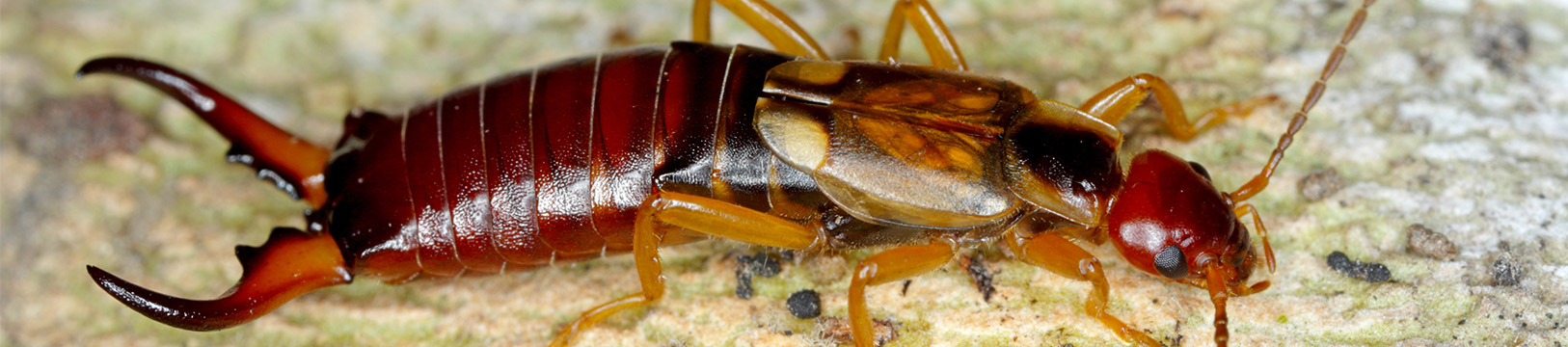
Earwigs are one of those pests that seem to appear out of nowhere. You might flip over a flower pot, move a pile of mulch, or open a basement door and suddenly find a cluster of them. While they're not dangerous, they can be unsettling—especially when they start showing up indoors.
Across Northeast Ohio, earwigs are a common warm-season pest, particularly in neighborhoods with mature landscaping, older homes, and damp conditions around foundations. They're drawn to moisture and darkness, which means the same features that make a yard look great—mulch beds, ground cover, stone retaining walls—can also create ideal earwig habitat.
This guide from Epcon Lane covers what earwigs look like, why they show up, where they hide, and how professional pest control helps keep them from becoming a recurring problem.
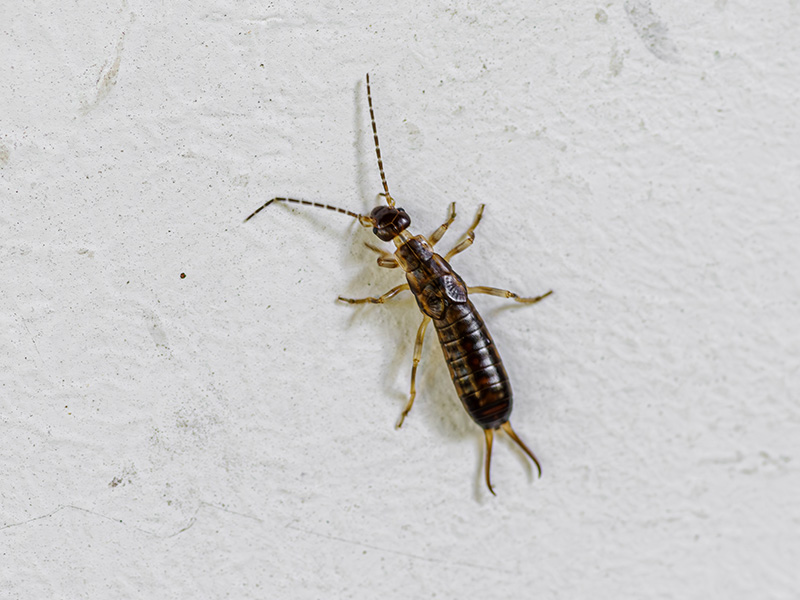
Earwig activity in Northeast Ohio increases through spring as soil temperatures rise and moisture levels stay high. They're most active from late spring through early fall, especially during stretches of warm, humid weather. Heavy rain can push earwigs out of saturated soil and mulch beds, driving them toward foundations and into homes.
By late fall, earwigs typically retreat underground to overwinter. However, earwigs that have already moved indoors may remain active in basements, laundry rooms, and crawl spaces where moisture persists.
Earwigs are easy to recognize once you know what to look for.
The pincers are what get the most attention. They look intimidating, but earwigs use them primarily for defense against other insects and for mating. They can pinch if handled, but it's not a sting and doesn't break the skin in most cases.
Earwigs are nocturnal insects that thrive in damp, sheltered environments. During the day, they hide in tight, dark spaces—under rocks, mulch, leaf litter, logs, and debris. At night, they come out to feed on a mix of decaying organic matter, small insects, and plant material.
Despite the old myth, earwigs do not crawl into people's ears. The name likely comes from their wing shape, which resembles a human ear when unfolded. They're nuisance pests, not a health threat—but when they move indoors in large numbers, they become a problem homeowners want solved quickly.
The climate and landscaping typical of homes in the Akron, Cleveland, and surrounding areas create conditions earwigs favor. Spring and summer bring warm temperatures paired with frequent rain, which keeps soil and mulch beds consistently damp—exactly what earwigs need.
Older neighborhoods with established gardens, stone foundations, and heavy shade tend to see more earwig activity. Properties near wooded areas or with lots of ground cover, compost piles, or stacked firewood also tend to harbor larger populations.
When heavy rain saturates outdoor hiding spots or when dry stretches push earwigs toward moisture around foundations, they often migrate indoors through gaps under doors, cracks in the foundation, and openings around utility lines.
Many homeowners don't notice earwigs until they start finding them indoors.
In most cases, earwigs aren't trying to live inside your home permanently. They're usually responding to conditions outdoors. After heavy rain, saturated mulch beds and soil can force earwigs to seek drier shelter. During hot, dry stretches, they may move closer to foundations in search of moisture.
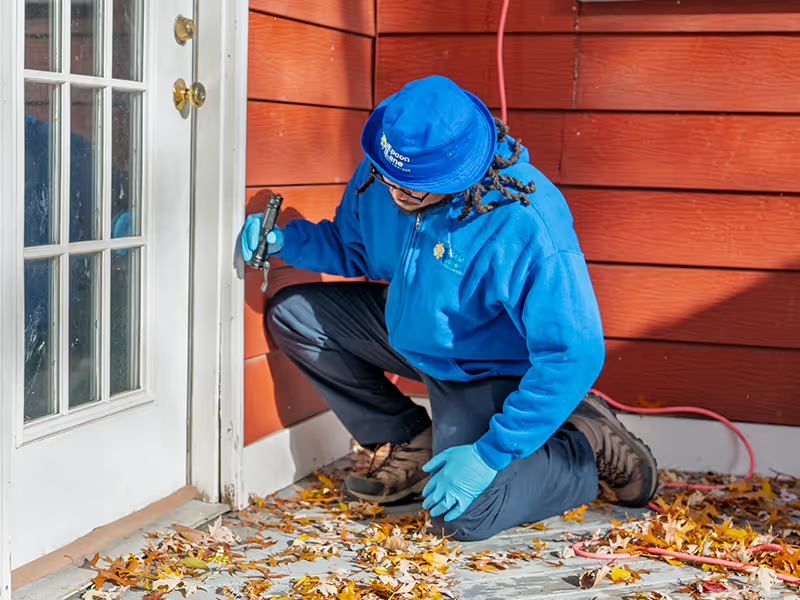
Earwigs often enter through small gaps around doors, foundation cracks, utility penetrations, and other openings near ground level. Once inside, they're most likely to be found in damp areas such as basements, crawl spaces, laundry rooms, and bathrooms.
At Epcon Lane, we frequently see indoor earwig activity increase following periods of wet weather, especially around homes with dense landscaping, heavy mulch, or moisture issues near the foundation.
Earwigs spend their days hidden in dark, moist areas and come out at night to forage.
At Epcon Lane, we most commonly find earwig activity around foundation mulch beds, landscape timbers, stone retaining walls, and shaded areas that stay damp throughout much of the day. These locations provide the moisture and shelter earwigs need to thrive.
Earwigs don't nest indoors the way ants or cockroaches do. They wander in looking for moisture and shelter, but if conditions are right—cool, damp, and dark—they may stick around.
Even though earwigs aren't considered dangerous, repeated indoor sightings usually mean conditions around the home are attracting them. Excess moisture, gaps in the exterior, and heavy ground-level debris can all contribute to ongoing activity.
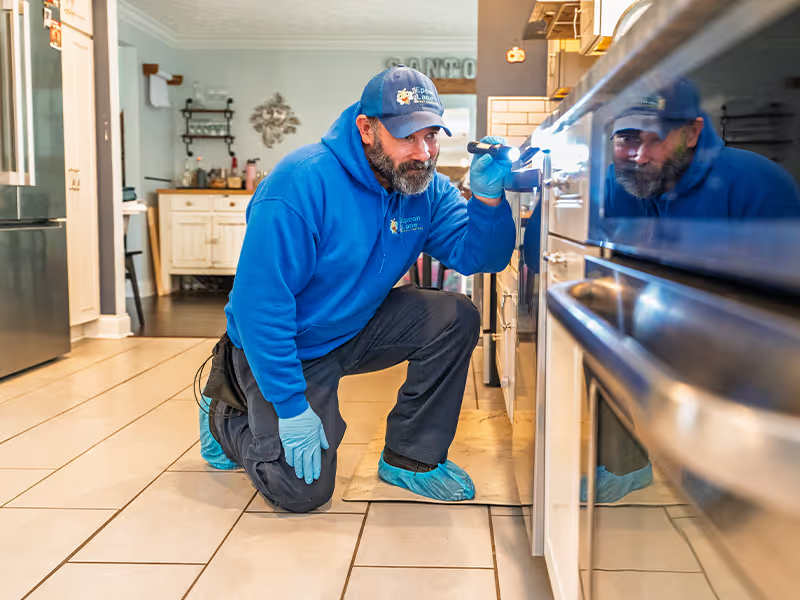
If earwigs keep showing up despite efforts to reduce these conditions, a professional inspection can help identify the source of the problem and determine why activity continues.
Earwig problems are usually noticed through direct sightings rather than subtle clues.
Common signs include:
Reducing earwig activity starts with addressing the moisture and shelter they depend on.
Because earwigs are outdoor pests that move indoors when conditions push them, prevention focuses heavily on conditions around the exterior of the home.
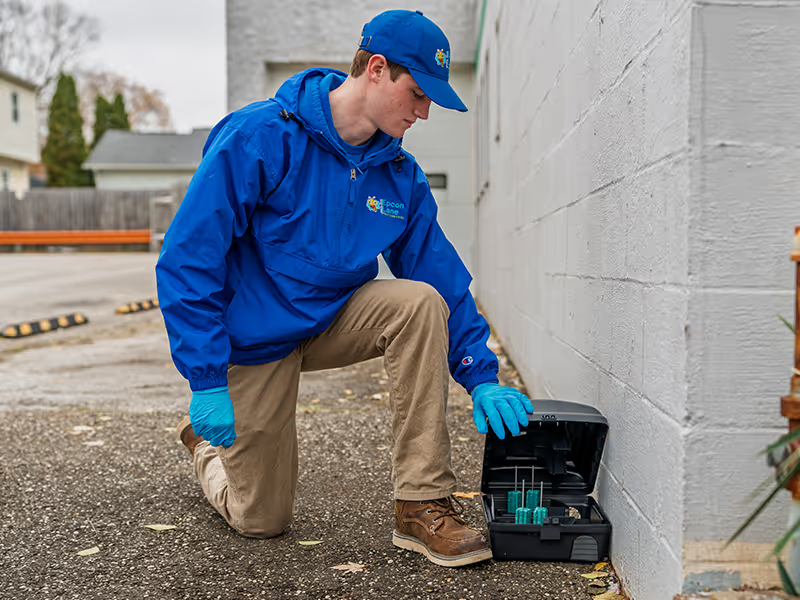
Professional pest control targets earwigs where they're most active—around foundations, mulch beds, landscape features, and common entry points into the home. By focusing on outdoor populations, treatments help reduce the number of earwigs that eventually enter homes.
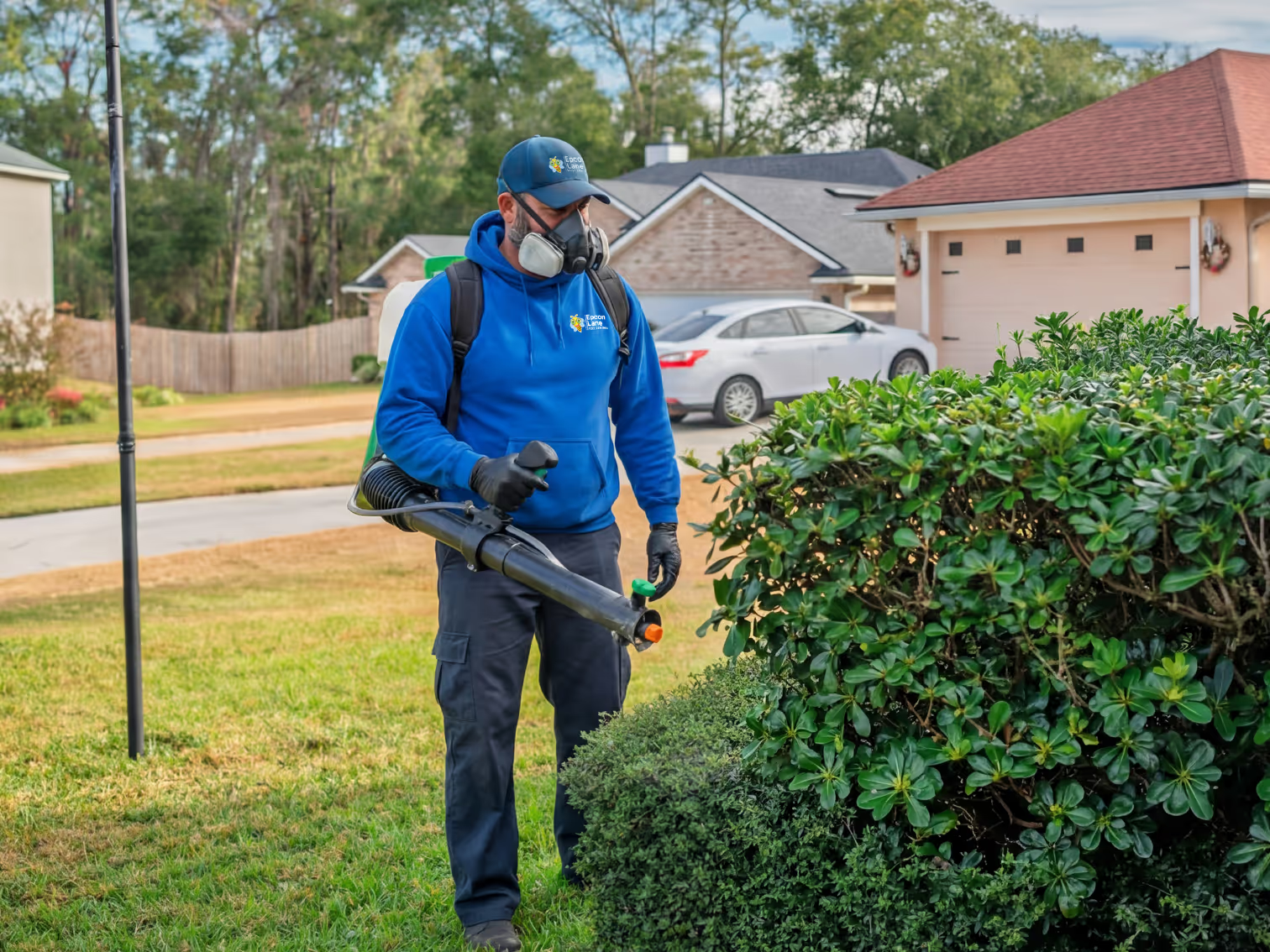
Routine exterior treatments create a protective barrier that reduces earwig populations before they can move indoors.
DIY sprays and traps may knock down a few earwigs you see inside, but they don't address the outdoor population that keeps producing new ones.
At Epcon Lane, earwigs are one of the many pests covered under our Peace of Mind plans. Our quarterly treatments include exterior applications designed to eliminate earwigs and other common household pests. If earwigs are showing up inside your home or you're seeing large numbers around the foundation, our team can help.
Epcon Lane has been serving homeowners in Akron, Cleveland, and Northeast Ohio since 1945. Give us a call to schedule an inspection or learn more about our pest control programs.
Usually not. Earwigs typically enter homes through gaps around doors, foundations, and utility penetrations. However, they may be found near sinks, floor drains, or other damp areas because they're attracted to moisture.
Earwigs prefer outdoor environments, but they can remain active indoors if they find cool, damp areas with enough moisture to survive.
Heavy rain can flood earwig hiding spots in soil, mulch, and landscape beds. When that happens, many earwigs move toward drier areas, including garages, porches, and homes.
They can. Earwigs may feed on tender leaves, flowers, and seedlings, especially if plants are stressed or already damaged.

Today was the first time Epcon Lane came out to service our home and John was awesome! He was very friendly, professional and personable. We're very happy with our decision to go with this company and can't wait for our future services!
Allie W.
Akron, OH

Matt was fantastic. Explained all options and was very thorough and friendly. Really like that they guarantee their work and will come back between spraying for any issues. These guys are top notch!
Jason L.
Cleveland, OH

I have always been pleased with the service I have received from Epcon Lane . Very effective and environmentally and pet conscious. Kermin truly addressed my needs yesterday . Seeing the new nest of yellow jackets and the carpenter ants starting to lay eggs . Gave the proper treatment and sent a very detailed message explaining everything. And wished me a good rest of my day. I am very appreciative!
Margaret G.
Akron, OH






Helpful Tips & Info