Are Rodents Common in Northeast Ohio Homes?
Rodents can enter homes anywhere, but Northeast Ohio gives them plenty of reasons to seek indoor shelter.
Colder fall and winter weather can push mice and rats toward heated structures. Once inside, they may remain active throughout the year if they have access to food, water, and a protected place to nest.
Homes across Epcon Lane’s service area also present a wide range of potential entry points. A Cleveland duplex, Akron bungalow, Lake County split-level, Medina County home, and Canton-area property may look very different, but each can develop openings around doors, foundations, garages, utility lines, vents, and additions.
Older homes may have gaps created by settling, weather exposure, deteriorating mortar, or decades of plumbing and electrical work. Newer homes are not immune; rodents can enter through garage-door corners, utility penetrations, damaged vents, roofline openings, and construction gaps.
The following signs can help you determine whether rodents have found a way onto your property or inside your home.
1. Scratching, Scurrying, or Gnawing Sounds
Unexplained nighttime noises are among the first signs many homeowners notice.
Rodent activity may sound like:
- Light scratching inside a wall
- Quick movement above a ceiling
- Rustling in attic insulation
- Gnawing beneath a cabinet
- Scraping in a basement ceiling
- Movement behind a refrigerator or stove
- Activity near a utility chase or dryer vent
Rodents generally become more active when a home is dark and quiet, making these sounds especially noticeable at night.
The location may offer clues. Activity behind kitchen cabinets could indicate movement along plumbing lines. Noises in the basement ceiling may point to travel between the foundation and upper floors. Sounds in attics, upper walls, or near the roofline could be associated with roof rats, which are agile climbers and often favor elevated spaces.
Squirrels, bats, and other wildlife can also be present in attics. Plumbing and heating systems can also produce similar noises. A sound that occurs only when water runs or the furnace starts, may have a mechanical explanation.
Repeated scratching or movement from the same area, especially when accompanied by droppings or gnawing, warrants a professional inspection.
2. Rodent Droppings
Droppings are one of the clearest signs that a rodent has entered a home.
They are commonly found:
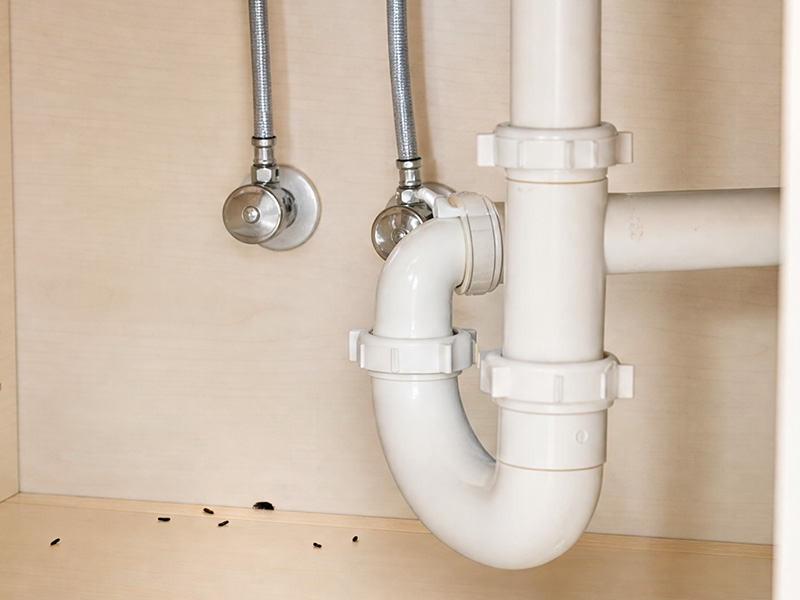
- Beneath kitchen and bathroom sinks
- Behind stoves and refrigerators
- Inside pantry cabinets and drawers
- Along basement walls
- Near furnaces and water heaters
- Around stored pet food or birdseed
- On garage shelving
- In attics and drop ceilings
- Inside seldom-used boxes or furniture
Mouse droppings are generally much smaller than rat droppings, but homeowners should not touch, crush, or closely examine them to determine their age or species.
The Centers for Disease Control and Prevention advises against sweeping or vacuuming dry rodent droppings, urine, or nesting material. Doing so can send contaminated particles into the air.
Review the CDC’s rodent cleanup guidance before disturbing the area. If the contamination is extensive or you are unsure how to proceed, contact a professional.
3. Gnawed Food Packaging
Mice and rats can chew through paper, cardboard, and many types of plastic food packaging.
You may find:
- Holes in cereal or snack boxes
- Torn bags of rice, flour, or baking supplies
- Damaged pet-food bags
- Chewed birdseed or grass-seed packaging
- Food pulled from a shelf
- Crumbs scattered inside a cabinet
- Tooth marks around container lids
Food with visible gnawing or possible exposure to rodent urine, droppings, or saliva should be discarded.
Do not limit your search to the kitchen. Pet food, birdseed, garden seed, and grass seed stored in an enclosed porch, basement, shed, or detached garage can provide rodents with a dependable food source.
4. Gnaw Marks and Property Damage
Rodents gnaw for more than access to food. Their teeth grow continuously, so chewing is a normal and necessary behavior.
Look for damage to:
- Wood trim and baseboards
- Cabinet corners
- Cardboard boxes
- Plastic storage containers
- Stored furniture
- Insulation
- Flexible plumbing components
- Electrical wiring
Fresh gnaw marks may expose a lighter-colored surface beneath paint, stain, dirt, or weathering.
Damage around a small opening can also indicate that a rodent enlarged an existing gap to create an entry point. These openings may appear around plumbing lines, basement doors, cabinets, vents, soffits, and places where additions connect to the original home.
Chewed electrical wiring or damaged plumbing deserves prompt attention. In addition to addressing the rodents, the affected material may need evaluation by an electrician, plumber, or another qualified repair professional.
5. Shredded Nesting Material
Mice and rats build nests in protected spaces close to food and water.
Nesting materials may include:
- Shredded paper
- Cardboard
- Fabric
- Fiberglass insulation
- Furniture stuffing
- Dryer lint
- Dried plant material
- Pieces of plastic packaging
Potential nesting sites in Northeast Ohio homes include:
- Behind appliances
- Above basement ceilings
- Inside wall voids
- Beneath cabinets
- In attics
- Inside stored furniture
- Among boxes in a garage or shed
- Beneath enclosed porches
Roof rats are especially likely to favor elevated areas such as attics, ceiling voids, upper cabinets, and upper wall spaces. Norway rats are more commonly associated with lower floors, basements, crawl spaces, and ground-level shelter.
Seasonal belongings deserve particular attention. Holiday decorations, camping equipment, patio cushions, and boxes that remain undisturbed for months can provide quiet shelter.
Do not reach into or disturb a suspected nest with bare hands.
6. Dark Rub Marks, Tracks, or Travel Routes
Rodents prefer to travel along protected edges rather than cross open rooms. As they repeatedly follow the same route, oils and dirt from their fur may leave dark smudges.
Look for rub marks along:
- Baseboards
- Basement walls
- Exposed pipes
- Garage walls
- Foundation ledges
- Cabinet edges
- Openings between rooms
- Areas behind stored belongings
You may also notice footprints or tail marks in dusty areas, disturbed attic insulation, or a narrow pathway through stored material.
Outdoors, rats may create worn routes along fences, foundations, vegetation, garages, or sheds. Roof rats may use elevated routes such as fence tops, branches, ledges, and utility lines, while Norway rat routes are more likely to remain near ground level.
These paths can connect nesting areas with garbage, pet food, birdseed, fruit, nuts, or other dependable food sources.
7. Burrows Around the Property
Norway rats often nest at or below ground level. Their burrows may appear beneath:
- Porches and decks
- Concrete slabs
- Garage foundations
- Sheds
- Woodpiles
- Dense shrubs
- Accumulated debris
- Garbage-storage areas
A suspected rat burrow may have disturbed soil around the opening or a worn travel path leading toward food, shelter, or water.
Cuyahoga County’s rodent-control guidance identifies garbage, dog food, dog waste, birdseed, compost, debris, waterways, sewers, garages, and sheds as conditions that can support rodent activity.
Roof rats typically favor elevated nesting sites, although their behavior can overlap with that of Norway rats. The absence of a burrow does not rule out rat activity.
Do not reach into, collapse, or place unprotected bait inside a suspected burrow. Groundhogs, chipmunks, and other animals also create openings around homes, so correct identification should come before treatment.
8. Persistent or Unusual Odors
An established rodent infestation may create a stale or musky odor in an enclosed space.
Odors may be most noticeable:
- Inside a closed cabinet
- Near an attic hatch
- Beneath an appliance
- In a pantry
- Along one section of a wall
- In a basement storage area
- Inside a garage or shed
A sudden, concentrated odor can also result from a dead rodent in an inaccessible area.
Odor alone cannot confirm which pest is responsible, but it may help narrow the inspection area. Persistent odors accompanied by droppings, insects, or staining should be investigated.
9. Unusual Pet Behavior
Dogs and cats may hear or smell rodent activity before people do.
Pay attention if your pet repeatedly:
- Stares beneath an appliance
- Paws at a cabinet
- Sniffs the same section of a wall
- Becomes alert at the same time every night
- Tracks movement across a ceiling
- Refuses to leave a pantry or basement area
- Shows unusual interest in stored boxes
Pet behavior is not proof of an infestation by itself. However, it becomes more meaningful when combined with noises, droppings, gnawing, or other physical evidence.
Keep pets away from suspected nests, droppings, dead rodents, traps, and rodent-control products.
10. Seeing a Mouse or Rat
An actual sighting confirms that a rodent has access to the property. What it does not tell you is whether the animal is alone.
Seeing a rodent during the day does not automatically prove that a severe infestation is present. Hunger, competition, a disturbed nest, or proximity to a food source can lead to daytime activity.
Nevertheless, any indoor sighting warrants a professional inspection. Catching one mouse or rat may provide immediate relief, but it does not close the opening the animal used or address the conditions that attracted it.
If food, water, shelter, and access remain available, another rodent can follow the same route.
Is It a House Mouse, Norway Rat, or Roof Rat?
The location and type of evidence may help indicate which rodent is present, although professional identification is recommended.
Signs More Consistent With House Mice
- Smaller droppings
- Light scratching inside walls or cabinets
- Activity behind appliances
- Small gnawed openings
- Nests in stored belongings or insulation
House mice can enter through openings about the size of a dime and may nest almost anywhere inside a structure.
Learn more in Epcon Lane’s house mouse identification guide.
Signs More Consistent With Norway Rats
- Larger droppings
- Heavier movement in basements or at ground level
- Wider rub marks along lower walls
- Burrows near foundations or structures
- More substantial gnawing damage
- Activity around garbage and ground-level food sources
Norway rats commonly remain near ground level and may nest beneath garages, sheds, porches, and concrete slabs.
Learn more about Norway rats in Northeast Ohio.
Signs More Consistent With Roof Rats
- Activity in attics, upper walls, or ceiling voids
- Noises near the roofline
- Droppings or nesting material in elevated areas
- Travel along fences, branches, ledges, or utility lines
- Gnawing around soffits, eaves, vents, or upper openings
- Activity near fruit, seeds, nuts, or dense vegetation
Roof rats are agile climbers and frequently use elevated travel routes. However, rodent behavior can overlap, so the location of one clue should not be treated as definitive identification.
Where Should You Look for Rodent Evidence?
Rodents tend to use areas that provide food, moisture, warmth, shelter, or access to the exterior.
Kitchens
Look beneath sinks, inside lower cabinets, behind major appliances, and around plumbing or gas-line openings.
A mouse that enters through the basement may follow pipes and wall voids until it reaches a kitchen cabinet.
Basements and Crawl Spaces
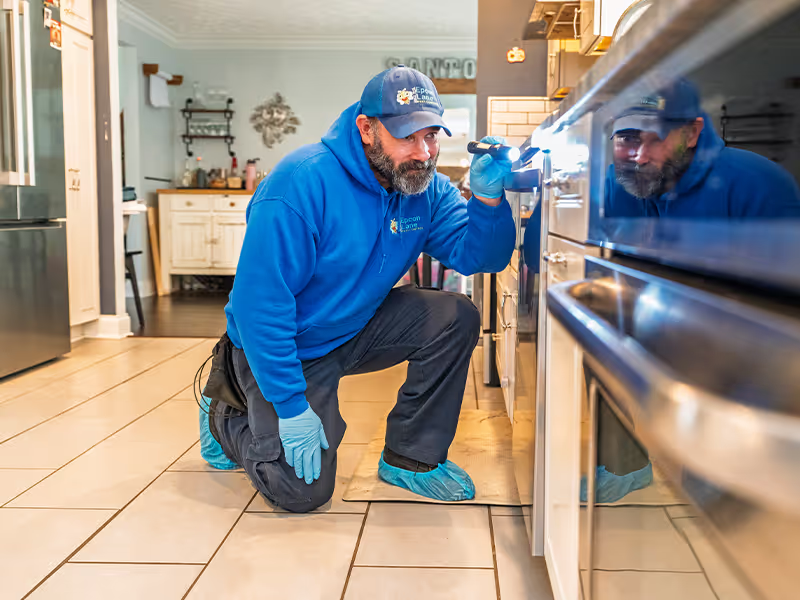
Check foundation walls, basement windows, utility penetrations, rim joists, and areas around the furnace, water heater, laundry, and sump equipment.
Older brick, stone, or block foundations may contain gaps created by settling, deterioration, or previous utility work. Lower-level evidence may be associated with house mice or Norway rats.
Attics and Upper Floors
Look for disturbed insulation, nesting material, droppings, or gnawing around roofline openings, soffits, vents, and utility lines.
Roof rats favor elevated spaces and are strong climbers, making upper-level evidence especially important. However, squirrels, bats, and other wildlife can also enter attics, so avoid assuming every sound is caused by a rodent.
Attached and Detached Garages
Check the garage door corners, worn bottom seals, stored seed, pet food, recycling, cardboard boxes, and upholstered items.
A detached garage can support rodent activity without immediate evidence inside the home. Rodents or contaminated nesting material may later be transported indoors with boxes and stored belongings.
Enclosed Porches and Additions
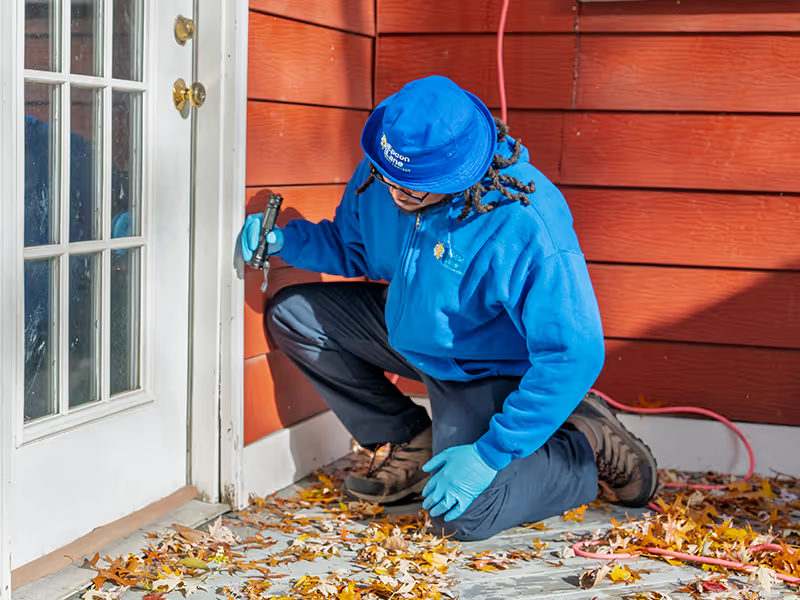
Check beneath exterior steps, around doors and windows, and where an addition meets the original structure.
Yards, Sheds, and Waste Areas
Look beneath exterior structures, around garbage containers, behind stored materials, and in areas with dense vegetation.
Rodents do not recognize property lines. Nearby garbage, illegal dumping, vacant structures, bird feeding, or unmanaged vegetation can contribute to activity across several properties.
Does the Rodent Activity Appear Current?
The strongest indication of current activity is change: evidence appears in a previously clean area, damage increases, or noises and sightings continue. Fresh droppings may look darker and shinier, while newly gnawed surfaces often appear lighter, but appearance alone cannot confirm when the activity occurred.
You do not need to investigate or test the evidence yourself. If the signs appear new, keep returning, or leave you uncertain, contact Epcon Lane or call (330) 724-0007 for a professional inspection.
When Should You Call Epcon Lane?
You do not need to wait for several warning signs or identify the rodent yourself. A sighting, droppings, a suspected nest or burrow, recurring noises, or fresh damage is enough reason to schedule an inspection.
Professional help is especially important when activity involves walls or attics, appears in multiple rooms or units, keeps returning, or has damaged wiring, plumbing, or insulation.
Epcon Lane can determine whether house mice, Norway rats, or roof rats are involved, locate where they are active, and recommend the appropriate control and prevention strategy.
Request a rodent inspection or call (330) 724-0007.
Get Ongoing Protection From Mice and Rats
Catching a rodent does not guarantee that another one (or several) will not show up next week or next season.
Epcon Lane’s Peace of Mind residential pest control plans include mice and rats as well as other common household pests. Plan features include:
- Ongoing preventive service
- Quarterly pest treatments
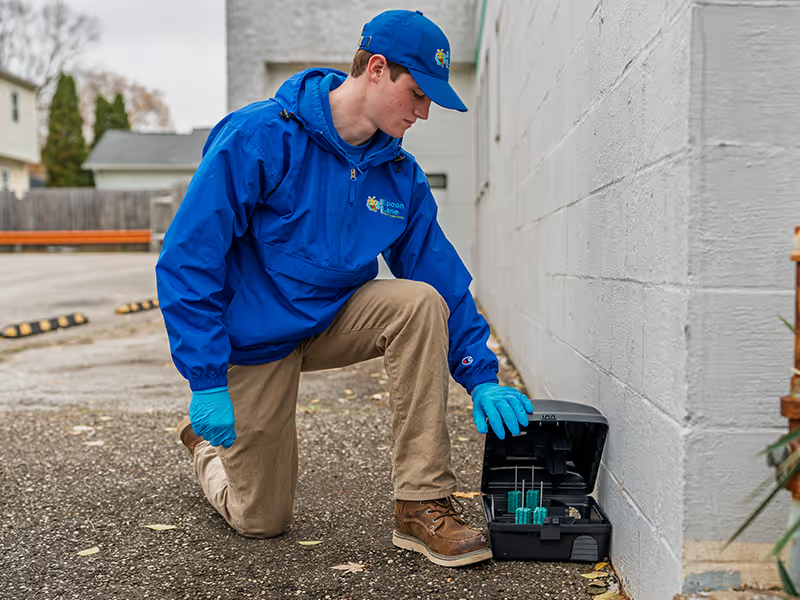
- Exterior rodent baiting
- Interior treatments as needed
- Free re-treatments for covered pests between scheduled visits
- Protection from numerous additional household pests
With a Peace of Mind plan, we provide quarterly preventive services designed to help keep rodents and other covered pests from becoming a problem. If a covered pest appears between scheduled visits, just call us. We’ll return to address it at no additional charge.
Do Not Wait for More Signs to Appear
You do not need to see several rodents before taking the problem seriously. Newly appearing droppings, repeated noises, gnawed materials, or evidence in multiple areas are enough to justify a closer look.
Local, family-owned Epcon Lane has helped protect homes and businesses in Akron, Cleveland, and across Northeast Ohio since 1945. Our team can inspect your property, identify the rodent involved, and recommend the right plan.
Stop wondering what is hiding inside your home. Request service online or call (330) 724-0007.