Asian Lady Beetles Become Hard to Miss in Fall
If what look like orange or yellow ladybugs suddenly start gathering around your windows, siding, or doors in October, there's a good chance you're seeing Asian lady beetles. They're even sometimes called Halloween lady beetles because this is the time of year when homeowners often notice them in large numbers.
Asian lady beetles spend spring and summer outdoors feeding on aphids and other insects. As fall temperatures change, the adults begin looking for protected places to spend the winter. Sunny sides of homes can attract large numbers of beetles, especially around windows, doors, siding, soffits, and other areas where they may find a way inside.
Once inside, they may settle into wall voids, attics, and other protected spaces. Some also end up crawling around windows, ceilings, or other living areas. Asian lady beetles do not reproduce indoors, so seeing several inside doesn't mean a new population is developing in your house. They are beetles that made their way in from outdoors to overwinter.
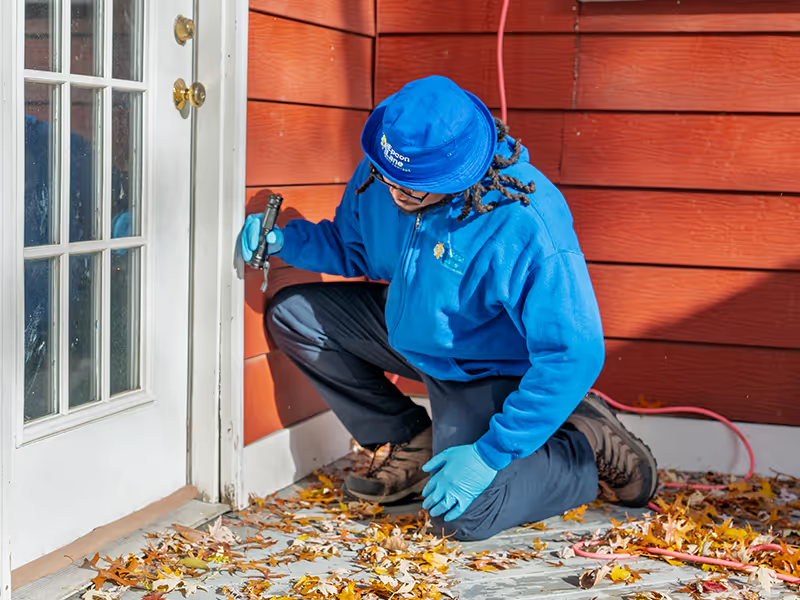
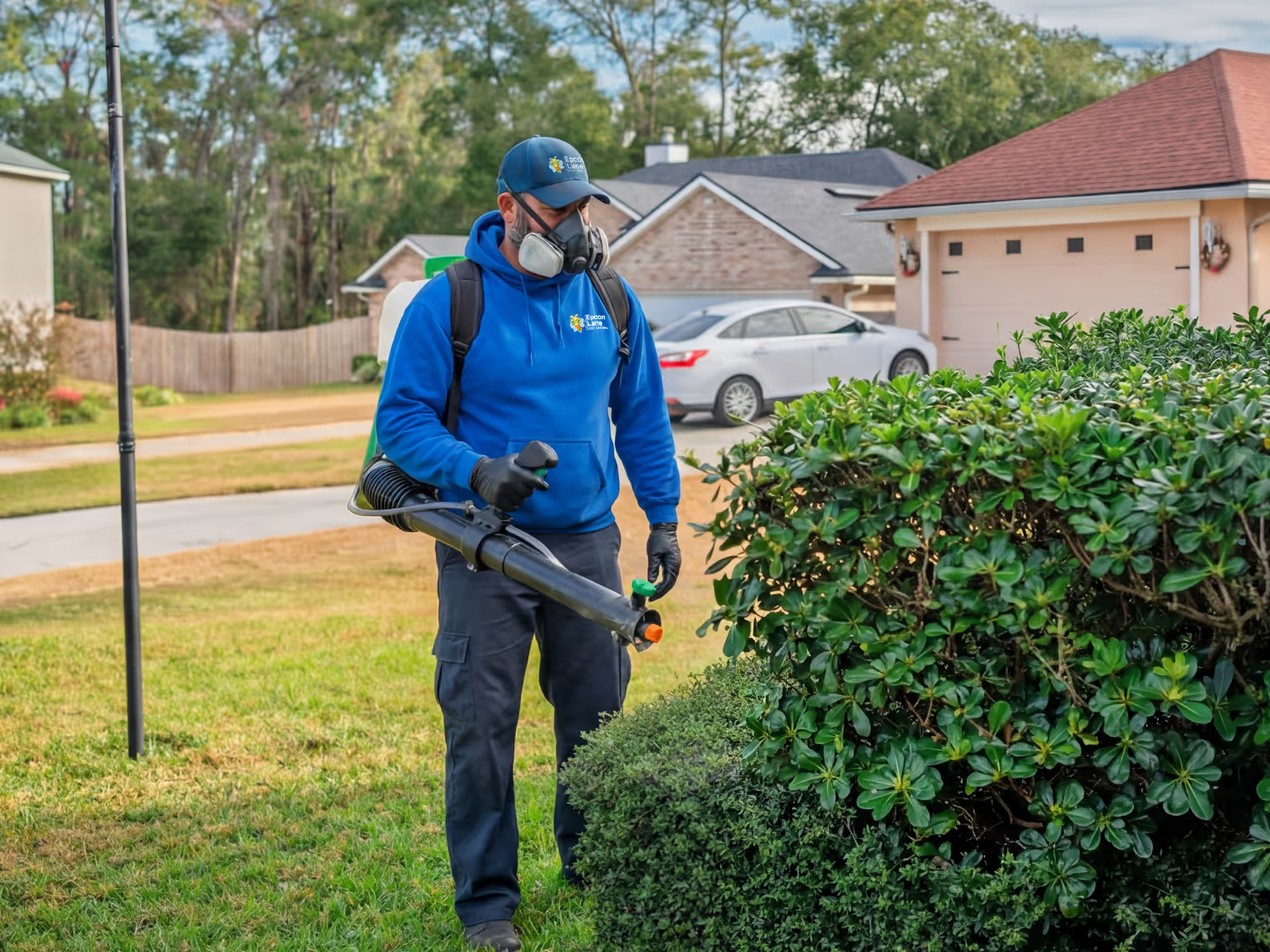
The problem is that once large numbers have worked their way into the structure, there is much less that can be done to prevent those beetles from showing up indoors later. If Asian lady beetles regularly gather on your home each fall, professional pest control before they settle in can help reduce the number that make their way inside.
Stink Bugs Are Looking for Winter Shelter Too
Stink bugs follow a similar fall schedule.
As temperatures change, they begin seeking sheltered places where they can spend the winter. Around a house, that can lead them to siding, rooflines, windows, doors, utility openings, and other small gaps that provide access to protected spaces.
A stink bug crawling across an exterior wall in October isn't unusual. The bigger concern is what happens when numerous stink bugs are able to move into wall voids, attics, or other areas of the structure.
Once stink bugs are tucked away inside a home, they typically remain in diapause (a dormant state similar to hibernation) through the winter. However, warmer winter days or indoor temperatures can sometimes cause them to become active, which is why homeowners may suddenly find a stink bug crawling near a window or through a living area months after it first entered.
That is why fall prevention matters. If stink bugs gather around your Akron or Cleveland home every year, professional service before they settle in can help reduce the number that gain access in the first place.
Mice Can Move Indoors as Temperatures Cool
Not every fall pest around your home has six or eight legs.
Mice tend to live close to homes year-round, but dwindling natural food sources and cooler fall weather often drive them indoors in search of food and shelter. Garages, basements, crawl spaces, attics, or wall voids can provide secure nesting areas with convenient access to food.
Homeowners aren't always going to see a mouse run across the floor. More often, the first clues are droppings in a cabinet or garage, gnawing on food packaging, or scratching and scurrying sounds in the ceiling or wall voids after the house gets quiet at night.
Even a very small opening can provide access for a mouse, making it difficult to find the actual entry points.
And catching the mouse you happen to see does not necessarily address how it entered or whether additional activity is present.
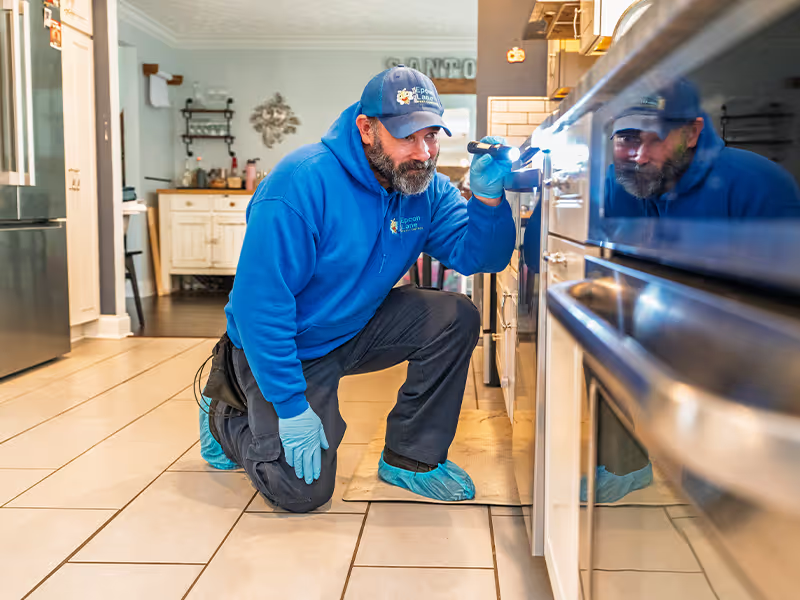
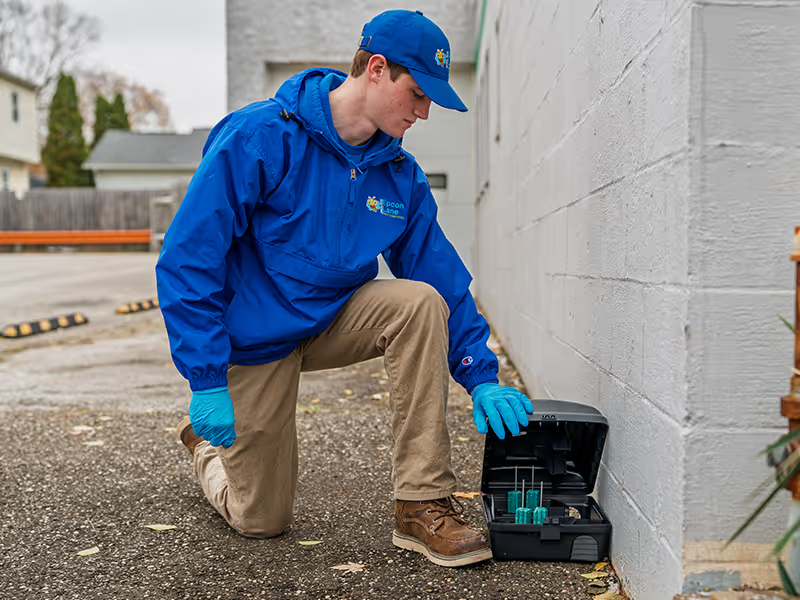
Professional pest control looks at the larger problem: identifying mouse activity, finding potential entry points, addressing the active population, and helping reduce the likelihood of the problem returning.
Spiders Become Much More Noticeable in Late Summer and Fall
It is easy to assume that every spider you see in the fall has come inside to escape cold weather, but spider activity is a little more complicated.
Many spiders around homes have been present throughout spring and summer. By late summer and fall, they are larger and easier to see. Mature males of some species, such as orb weavers and wolf spiders, are also moving around more as they search for mates.
That can mean more noticeable webs near porches, windows, exterior lights, landscaping, garages, and other areas where insects are active. Indoors, house spiders may already have been living quietly in basements, garages, attics, and other undisturbed spaces.
An occasional spider isn't necessarily a sign of a major pest problem. Frequent webs or repeated spider sightings, however, can point to something else worth considering: spiders stay where they can find insects to eat.
That's one reason professional pest control should involve more than treating the spider you happen to see. Reducing the insects around a home and addressing conditions that support pest activity can help reduce spider activity as well.
Fall Pest Activity Doesn't Look the Same at Every Home
One Akron homeowner may have dozens of Asian lady beetles gathering near an upstairs window, while a house in Cleveland may be dealing with an infestation of mice.
The age and construction of the house, surrounding landscaping, nearby pest populations, available entry points, and previous pest activity can all affect what homeowners notice.
That is also why there isn't one pest control approach that makes sense for every home. What matters is having the right level of protection for the pests and property you're dealing with—not just reacting to whichever pest happens to show up next.
Epcon Lane's Peace of Mind residential pest control plans provide ongoing protection against common pests homeowners deal with throughout the year, including Asian lady beetles, stink bugs, mice, and spiders, as discussed here. With different levels of coverage available, Epcon Lane can recommend a plan that fits your home and the pest pressures around it.
Get Year-Round Pest Protection From a Local Team
Epcon Lane has been protecting homes and businesses in Northeast Ohio since 1945. Today, our company remains locally operated and is now in its fourth generation of family ownership.
Whether you're dealing with lady beetles on the siding, mice in the house, or other house-infesting pests, Epcon Lane can help you choose a Peace of Mind plan that provides the right level of ongoing protection for your home.