
What Homeowners Usually Notice First
Most homeowners don’t identify ants by species right away. Instead, they notice patterns—where the ants appear, how they move, and when they show up.
Here are a few clues our technicians often hear from homeowners during inspections across Northeast Ohio.
Where they appear
- Kitchen counters and pet bowls usually point to food sources.
- Bathrooms or basements often indicate moisture.
How they move
- Ants traveling in a steady line typically means they’ve established a scent trail back to their colony.
When they appear
- Many nuisance ants are active during the day.
- Larger ants like carpenter ants are sometimes noticed more often in the evening.
Different-sized ants in the same trail
- Seeing noticeably different sizes can be a helpful clue for identifying the species.
Winged ants indoors
- Winged ants inside deserve attention. They’re sometimes mistaken for termites, and if you’re unsure which insect you’re seeing, a professional inspection can help confirm it.
Why Ants Keep Coming Back
Many homeowners first notice ants when they suddenly appear in the kitchen, bathroom, or basement. One of the most frustrating parts of dealing with ants is how they seem to disappear for a few days, only to return.
The reason is simple: the ants you see inside are usually just workers from a much larger colony. If the colony is still active, it can keep sending new ants along the same trail.
In Northeast Ohio homes, ants often return because of a few common conditions.
Food sources
Crumbs, sticky spills, recycling residue, pet food, and even small drops of sweet drinks can attract ants.
Moisture
Leaky plumbing, damp basements, clogged gutters, or mulch that stays wet near the foundation can create ideal nesting conditions.
Easy entry points
Ants enter homes through tiny gaps around doors, windows, foundation cracks, or where utility lines enter the house.
Colonies close to the house
Many ants nest just outside the structure—under sidewalks, patios, mulch beds, or landscaping stones—and then forage indoors once they find food.
Common Types of Ants in Ohio Homes
Several ant species regularly show up in homes throughout Akron, Cleveland, and other Northeast Ohio communities. Some are mostly nuisance pests, while others—like carpenter ants—can indicate deeper issues related to moisture or wood damage.
Here are the ants we most commonly see in local homes.
Pavement Ants
Where homeowners usually see them
Pavement ants typically nest in soil around:
- Sidewalks and driveways
- Patios and concrete slabs
- Foundations and masonry walls
Indoors, they often appear along baseboards or near floor-level entry points.
Why they show up
Pavement ants are opportunistic feeders. Once they find a reliable food source indoors, they can establish a steady trail between the colony and your home.
Odorous House Ants
Where homeowners usually see them
Odorous house ants are frequently reported in:
- Kitchens and pantry areas
- Around sinks or dishwashers
- Bathrooms and laundry areas
- Along exterior foundation walls
When crushed, these ants release a noticeable odor, which is how they got their name.
Why they show up
These ants are often attracted to moisture and sweet foods. Colonies may nest under mulch, inside wall voids, or in other protected areas near the structure.
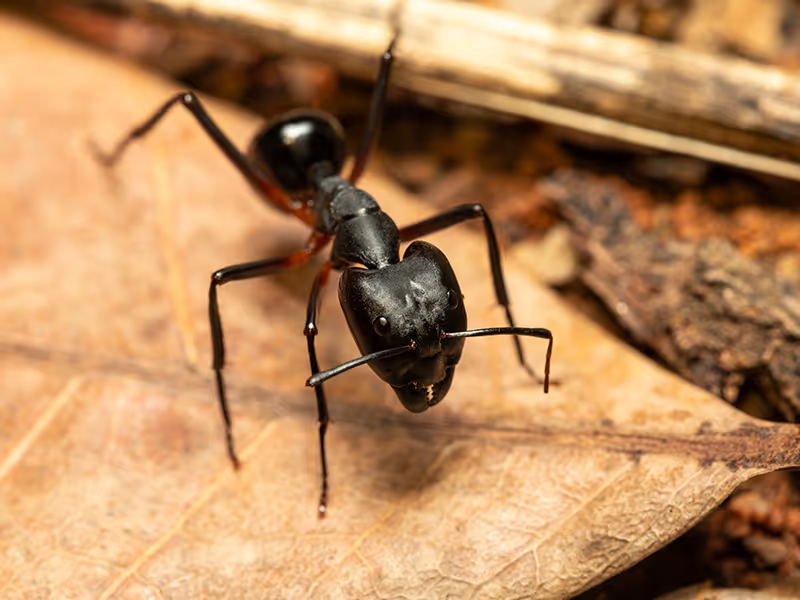
Carpenter Ants
Carpenter ants in Ohio are one of the most important ants to take seriously in homes.
They’re not typically aggressive toward people, but they can damage wood over time.
Where they nest
Outdoors, carpenter ants commonly live in:
- Rotting logs and tree stumps
- Firewood piles
- Damp wood around decks and porches
Inside homes, they’re often associated with moisture-damaged wood, such as:
- Window or door frames with water intrusion
- Areas around plumbing leaks
- Poorly ventilated crawl spaces
Why they show up
Carpenter ants don’t eat wood like termites, but they excavate galleries in softened or damp wood to create nesting space.
Often, a carpenter ant problem starts with a moisture issue in the home.
Little Black Ants
Little black ants are another common nuisance species in Ohio homes.
Where homeowners usually see them
Homeowners often notice them:
- Around kitchen counters
- Near trash areas
- Along baseboards and wall cracks
- Outdoors near landscaping and foundation edges
Why they show up
Because these ants are very small, they can enter through tiny gaps. Once they locate food, they quickly establish foraging trails.
Pharaoh Ants
Pharaoh ants are less common but can still appear in Ohio homes, particularly in heated structures.
Where homeowners usually see them
They’re usually found indoors in places like:
- Kitchens and pantries
- Behind appliances
- Inside wall voids
- Around plumbing and warm areas
Why they show up
Pharaoh ants can form multiple nests and may relocate when disturbed, which can make them difficult to control with typical DIY methods.
What Homeowners Can Do Right Now
If ants are starting to appear around your home this spring, a few simple habits can make your home less attractive to them.
Remove Food Sources
Ants are constantly searching for food for their colony.
Helpful steps include:
- Wipe down counters and floors regularly
- Store pantry foods in sealed containers
- Rinse recycling containers before placing them in bins
- Avoid leaving pet food out overnight
Reduce Moisture
Many ants are attracted to damp areas.
Check for:
- Leaky plumbing or dripping faucets
- Damp basements or crawl spaces
- Gutters that allow water to pool near the foundation
Using a dehumidifier in basements can also help reduce excess moisture.
Seal Entry Points
Ants can enter through extremely small gaps.
Look for openings around:
- Doors and windows
- Pipes and utility lines entering the home
- Foundation cracks
- Worn weatherstripping
Reduce Outdoor Nesting Areas
Many ant colonies are located just outside the home.
You can reduce nesting opportunities by:
- Keeping mulch from touching siding
- Removing debris near the foundation
- Storing firewood away from the house and off the ground
What Not to Do When Dealing with Ants
When ants show up in the kitchen or along baseboards, it’s natural to try a quick fix. But some common DIY approaches can actually make ant problems harder to solve.
For example, spraying the ants you see might seem like a quick solution, but killing only the visible ants won’t eliminate the colony. There are usually many more ants in a colony nearby that won’t be affected by the spray.
DIY treatments may also have the opposite effect you're trying to achieve. Instead of eliminating ants, they can sometimes cause colonies to split or relocate to new areas of the home, which can make the problem worse.
Finally, overuse of DIY ant control products can create exposure risks. Overuse or misuse of insecticides indoors can increase unnecessary exposure for people and pets.
When to Call a Professional for Ant Control in Northeast Ohio
Ants may be small, but the colony behind them can contain thousands of workers and/or multiple nesting sites. That’s why ant problems often seem to disappear for a few days—only to return in the same place or pop up somewhere new.
Effective ant control isn’t just about eliminating the ants you see. It requires identifying which species you’re dealing with, where the colony is nesting, and what’s attracting ants to your home in the first place. Without addressing those factors, new workers can keep finding their way indoors.
It may be time to schedule an inspection if:
- Ant trails appear regularly inside the home
- Ants are showing up in multiple rooms
- You’re seeing larger ants that may be carpenter ants
- Winged ants appear indoors
- Activity keeps returning in the same areas
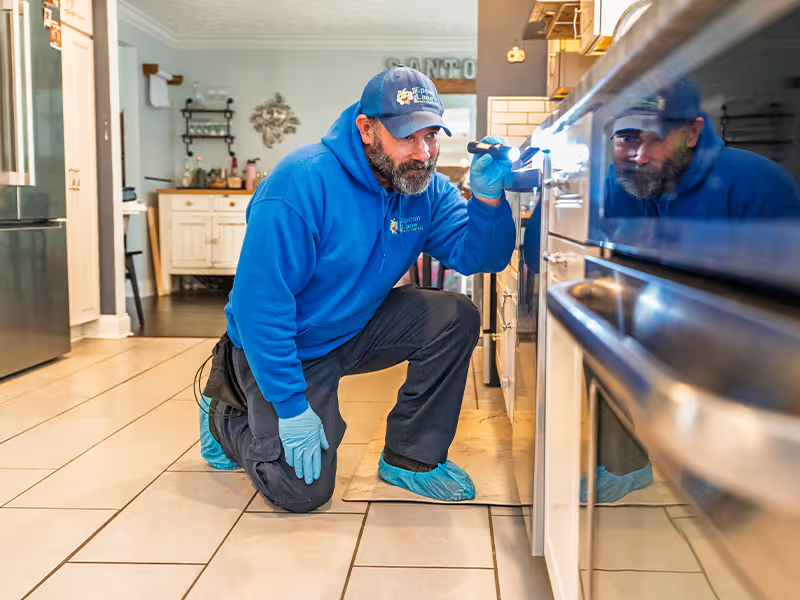
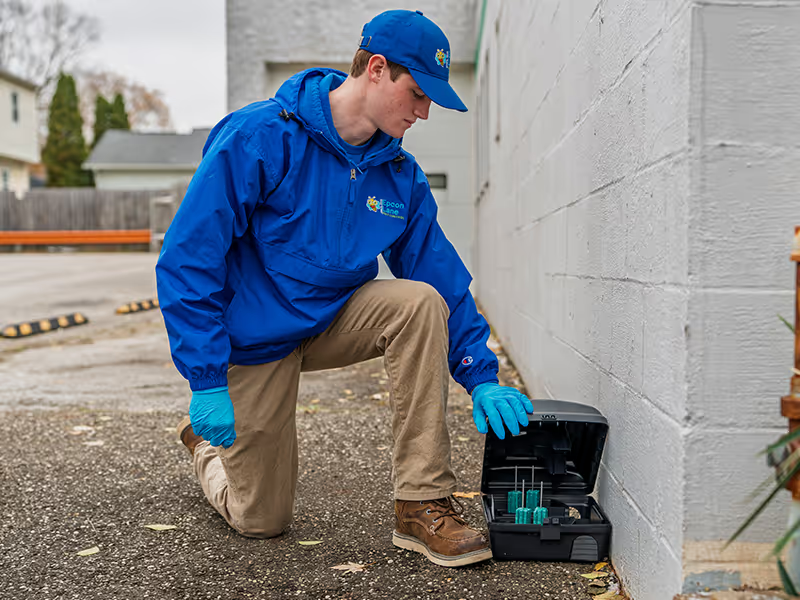
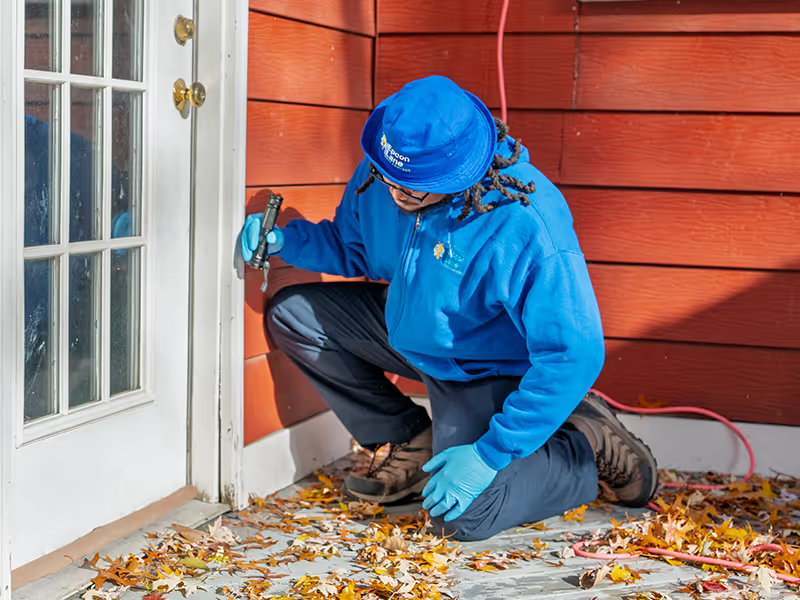
At Epcon Lane Pest Control, our highly trained, licensed technicians begin by identifying the ant species and inspecting areas around the home where colonies commonly nest—such as near the foundation, landscaping, or moisture-damaged wood. From there, we create a treatment plan designed to eliminate the colony and reduce the conditions that allow ants to keep returning.
Local, family-owned for four generations, Epcon Lane has been helping homeowners in Hudson, Independence, Akron, Cleveland, and across Northeast Ohio manage ant problems since 1945.
If ants are showing up in your kitchen, bathroom, or basement this spring, our team can help identify the species and stop the problem at the source. Learn more about our home pest control programs or request your free quote today!
Originally published April 1, 2021. Updated March 2026 with new information on identifying ants in Northeast Ohio homes and current ant control strategies.