
Why Ants Show Up in Spring
As temperatures warm up in early spring, ants become active again after spending most of the winter hidden. That’s usually when homeowners in Northeast Ohio begin noticing them.
Once they’re active, they start moving around and searching for food. If they find something inside your home—whether it’s crumbs in the kitchen, moisture in a bathroom, or even pet food left out—they’ll keep coming back to it. That’s when you start seeing trails.
In many cases, the colony is already close to the house, somewhere in the soil, mulch, or against the foundation. So once ants begin foraging, it doesn’t take much for them to find a way inside.
Why Ants Suddenly Appear Overnight
One of the most frustrating parts of dealing with ants is how quickly they seem to show up.
Homeowners often say they didn’t see any ants one day, and the next day, there’s a full trail moving across the kitchen. That happens because once a food source is found, ants rapidly recruit others from the colony. What starts as a few ants can turn into a visible problem within hours.
Why Ants Keep Coming Back
Even if ants seem to disappear for a few days, that doesn’t mean the problem is gone.
The ants you see inside are just workers. The colony itself is usually hidden nearby. As long as that colony is active, it can continue sending new ants back into your home.
This is why ants often reappear in the same spot or show up somewhere new, even when it feels like the problem went away.
Where Ants Usually Enter the Home
Ants don’t need much space to get inside. In fact, most entry points are so small they go unnoticed.
In many Northeast Ohio homes, ants enter through tiny gaps around doors and windows, small cracks in the foundation, or openings where utility lines and pipes come into the house. Worn weatherstripping can also create easy access.
Once inside, ants tend to follow edges like baseboards, corners, and cabinets as they search for food.
What Homeowners Can Do Right Away
If you’re seeing ants this spring, a few simple changes can help reduce activity and make your home less appealing.
Start by removing easy food sources. Keeping counters and floors clean, sealing pantry items, rinsing recycling containers, and avoiding leaving pet food out overnight can make a noticeable difference.
It also helps to reduce moisture wherever possible. Fixing small leaks, running a dehumidifier in the basement, and making sure water drains away from your foundation can make your home less attractive to ants.
Sealing small gaps can also help limit how easily ants get inside. Paying attention to areas around doors, windows, and utility entry points is a good place to start.
Outdoors, reducing nesting areas near the home can make a difference as well. Keeping mulch away from siding, clearing debris near the foundation, and storing firewood away from the house can help limit nearby colonies.
What Not to Do When You See Ants
When ants show up, it’s natural to want to get rid of them quickly. But some common approaches can actually make the problem worse.
Spraying the ants you see might seem like a quick fix, but it usually doesn’t solve the problem. The ants inside your home are just a small part of a much larger colony. Killing the visible ants doesn’t eliminate the nest, and new ants can quickly take their place.
In some cases, these treatments can cause ants to scatter or relocate. Instead of one trail, homeowners may start seeing ants in multiple areas of the house.
Overusing DIY products can also create unnecessary exposure for people and pets, especially in kitchens or living spaces where treatments are used repeatedly.
When to Call a Professional for Ant Control in Northeast Ohio
Ants may be small, but the colony behind them can contain thousands of workers and sometimes multiple nesting sites. That’s why ant problems often seem to disappear for a few days, only to return in the same place or show up somewhere new.
Effective ant control isn’t just about eliminating the ants you see. It involves identifying the species, locating where the colony is nesting, and understanding what’s attracting ants to your home in the first place.
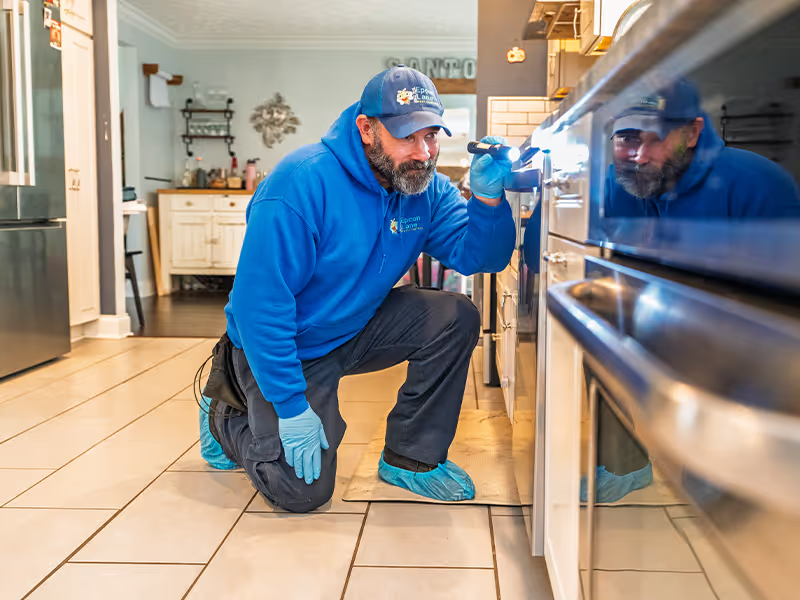
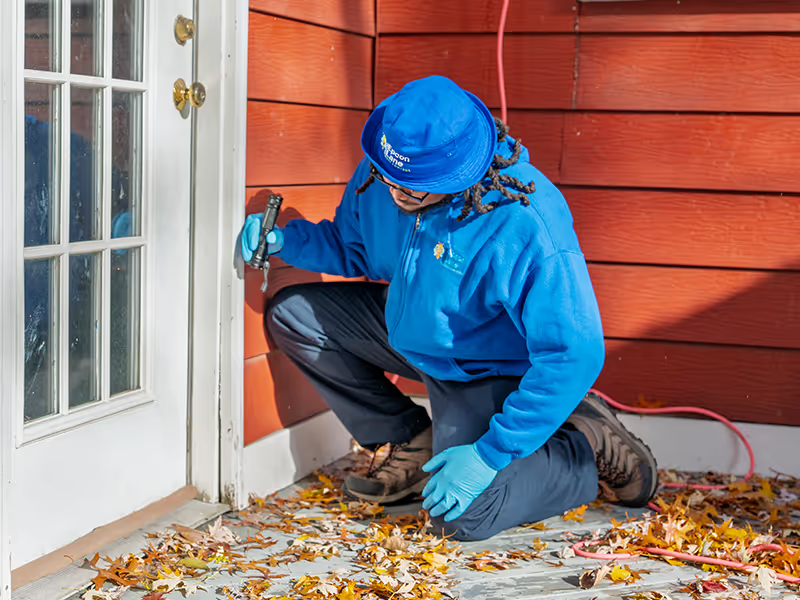
At Epcon Lane Pest Control, our highly trained, licensed technicians begin with a thorough inspection to identify problem areas, assess the severity of the infestation, and determine how they got in.
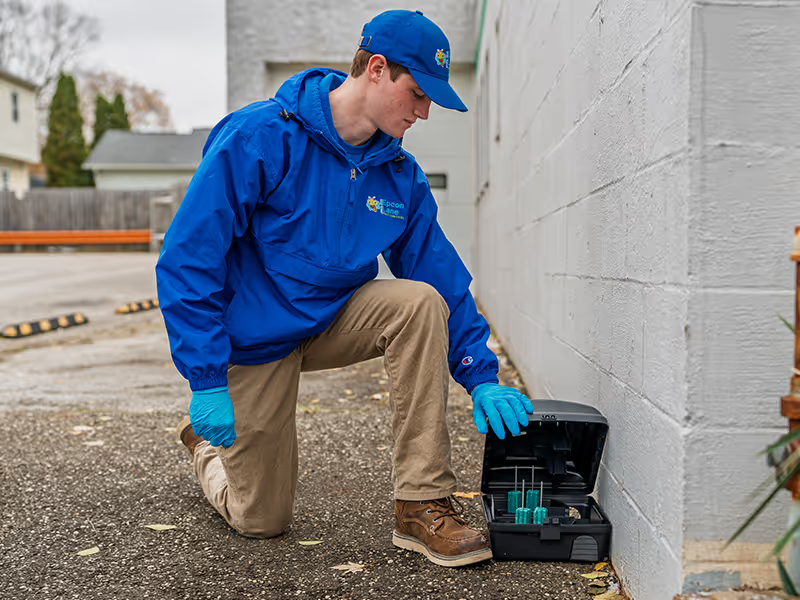
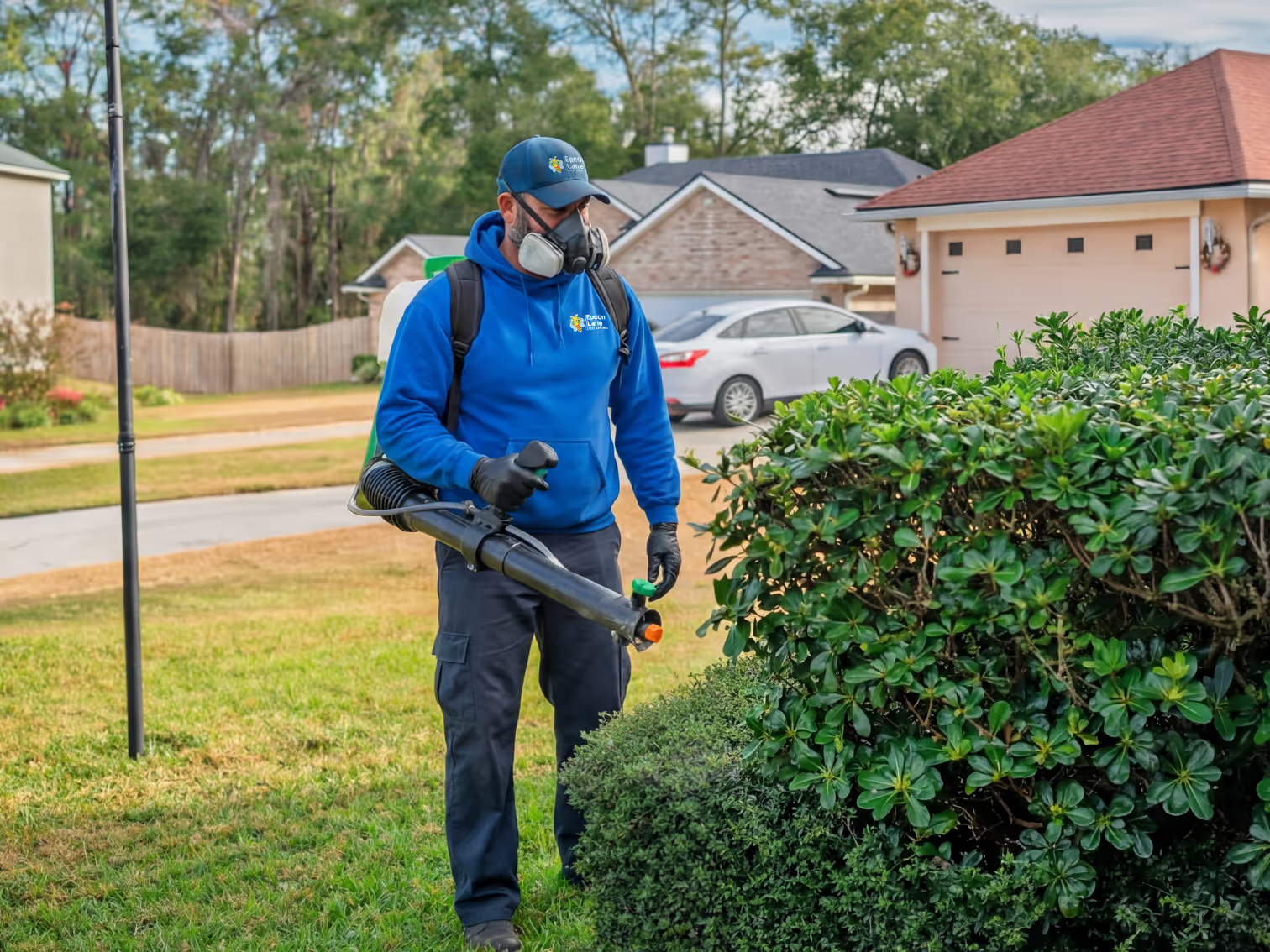
From there, we treat the property, targeting current activity and creating a barrier of protection to prevent new infestations.
Every quarter, we return to re-treat, ensuring ants and other household pests covered by our residential pest control services don’t have the opportunity to take over!
Local and family-owned for four generations, Epcon Lane has been helping homeowners across Akron, Cleveland, and Northeast Ohio manage ant problems since 1945.
Frequently Asked Questions About Ants in Ohio Homes
What time of day are ants most active inside the home?
Many common household ants in Ohio are active during the day while searching for food. Some larger ants, like carpenter ants, are more active in the evening, which is why homeowners may notice them more at night.
Can weather changes make ants worse in the spring?
Yes, shifting temperatures and spring rain can drive ants indoors. Heavy rain can disturb outdoor nests, while cooler nights can push ants to look for warmth and shelter inside.
Why do ants show up in one room but not others?
Ants follow scent trails to specific food or moisture sources. If activity is concentrated in one area, it usually means that the room offers something the colony needs.
Are some homes more prone to ants than others?
Yes, homes with moisture issues, older seals around doors and windows, or landscaping close to the foundation tend to attract more ants. Seasonal conditions in Northeast Ohio can also play a role.
Should I be concerned about ants causing damage?
Most ants are a nuisance, but carpenter ants can damage wood over time, especially in areas with moisture. If you’re seeing larger ants regularly, it’s worth having the situation evaluated.
Get Help With Ants in Your Home
When ants pop up in kitchens, along baseboards, or in basements, there’s usually a reason—and it’s not going to fix itself. The sooner you figure out where they’re coming from, the easier it is to stop them from spreading to other areas of the house.
If ants are showing up in your home—whether it’s the first time or something that keeps coming back—our team will identify where they’re coming from and stop the problem at the source.
Reach out today to request your free quote.
if(window.strchfSettings === undefined) window.strchfSettings = {};
window.strchfSettings.stats = {url: "https://epcon-lane-pest-control.storychief.io/why-are-ants-suddenly-in-my-house-this-spring-in-ohio?id=1753960519&type=26",title: "Why Are Ants Suddenly in My House This Spring in Ohio?",siteId: "24232",id: ""};
(function(d, s, id) {
var js, sjs = d.getElementsByTagName(s)[0];
if (d.getElementById(id)) {window.strchf.update(); return;}
js = d.createElement(s); js.id = id;
js.src = "https://d37oebn0w9ir6a.cloudfront.net/scripts/v0/strchf.js";
js.async = true;
sjs.parentNode.insertBefore(js, sjs);
}(document, 'script', 'storychief-jssdk'))